

Circular Design Transformation
100% committed to a circular economy we see this as an opportunity to create the ultimate work space while having a positive impact on our planet.
Circular Economy Design
Eco-Smart Innovation
In the ever-evolving landscape of product design a new paradigm is emerging, one that promises to revolutionize the way we create, consume, and interact with the world around us. This paradigm is the circular economy, a transformative approach to production and design that prioritizes sustainability, resource efficiency, and environmental stewardship.
The circular economy represents a departure from traditional linear models of production, where resources are extracted, used, and discarded in a linear fashion. Instead, it promotes a closed-loop system where materials are reused, recycled, and repurposed, minimizing waste and maximizing value at every stage of the product life cycle.
The shift towards sustainable design in contemporary office interiors is a testament to the growing recognition of the importance of environmental responsibility in the built environment. Companies are increasingly realizing that sustainable design not only benefits the planet but also enhances employee well-being and productivity.


The Pressure on Our Planet
-
Every year, around 2 billion tonnes of municipal waste are generated worldwide. This number is expected to grow significantly in the coming decades.
Most products are still designed for a single lifecycle used once, then discarded. This linear approach drives increasing waste streams and puts pressure on land, resources and infrastructure.
-
While forests still cover about 30% of the Earth’s land surface, large areas of primary and untouched forests have already been lost.
These ecosystems are critical for biodiversity, carbon storage and climate stability. Ongoing deforestation continues to reduce their resilience and long-term availability.
-
The economic impact of climate change is measured in trillions of dollars globally. The longer action is delayed, the higher the cost of damage, adaptation and transition.
Rather than a single fixed number, projections consistently show that early action is significantly more cost-effective than delayed response.
-
Humanity currently consumes resources faster than the planet can regenerate them. This means we are structurally overshooting Earth’s capacity.
This imbalance leads to resource depletion, environmental degradation and increasing pressure on ecosystems worldwide.
Pioneers in Sustainable Design
Circularly Committed
The importance of transitioning to a circular economy lies in its potential to create a more sustainable and resilient global economy.
By minimizing waste, conserving resources, and reducing environmental impacts, the circular economy can contribute to a healthier planet, support long-term economic viability, and address the interconnected challenges of climate change, resource scarcity, and ecosystem degradation.
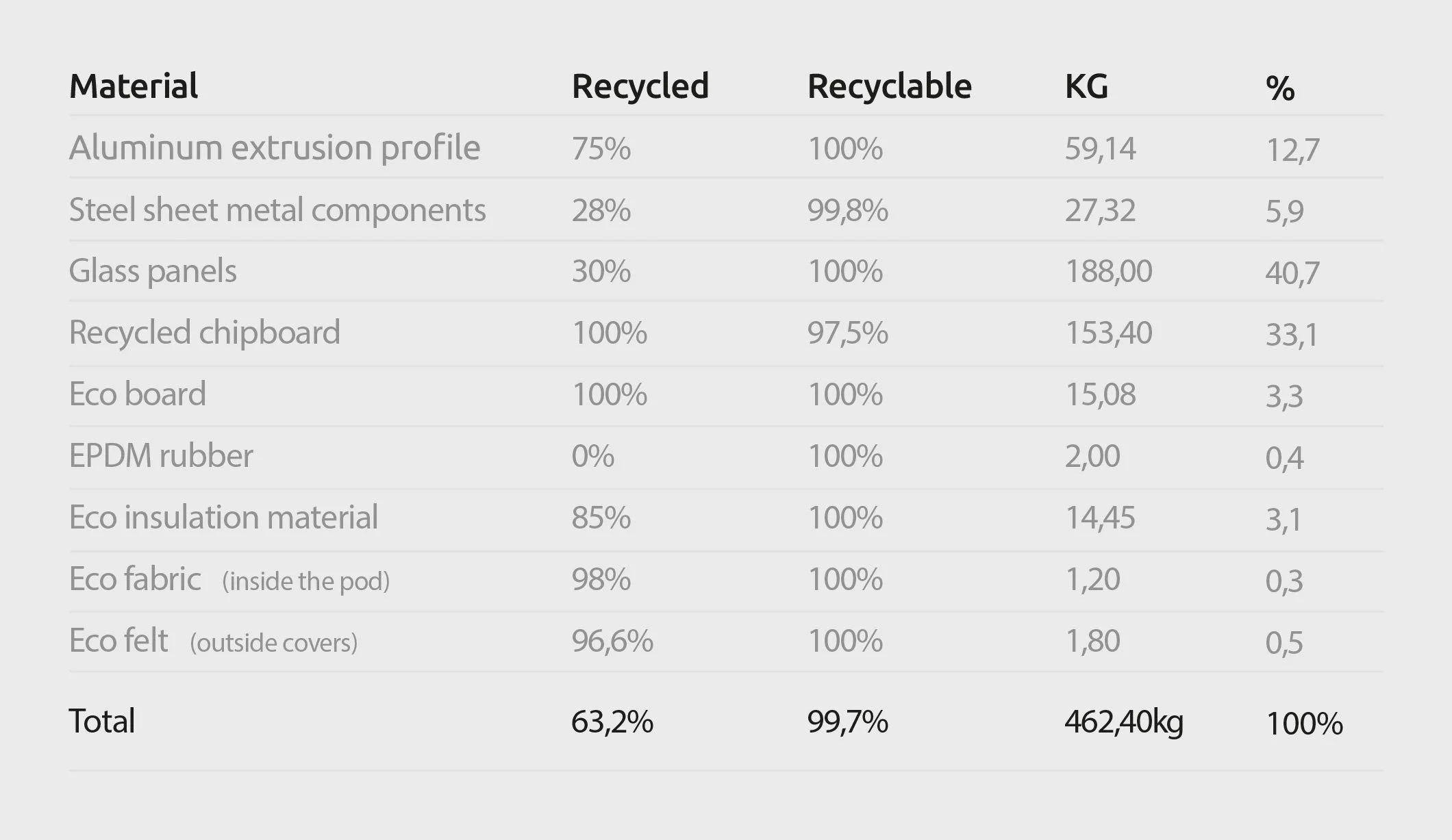
Our pods harness materials from renewable, recycled, and recovered sources, Our innovation is the reimagining of these materials as valuable resources to be used and reused responsibly in beautiful products.
We take this even further by sourcing locally and contributing to the creation of jobs in our local communities, recreating the circular loop in every part of our process and design.
our SUSTAINABILITY story
Recycle & Upcycle
By embracing recycling and upcycling initiatives we help divert waste from landfills and conserve valuable resources.
Our products give materials a second life through recycling or repurposing, reducing the need for virgin resources and mitigating the environmental impact.
Upcycling is key to our creativity and innovation, transforming waste into unique products while simultaneously reducing the burden on the environment.

Local made
Choosing locally made products not only supports the local economy but also reduces the carbon footprint. At Ecolution our local made commitment means we contribute to the vitality of our community enhancing both our sustainability and social responsibility.

Reuse Packaging
Our commitment to sustainability extends from our products to our packaging.
Every Ecolution Pod comes in its own custom crate with no packaging waste.
Our unique crate return program ensures that we continue to use and reuse our purpose built crates and maintain their lifespan alongside our products.

Product lifetime extension
The unique adaptable and modular design of our pods and the careful choice of materials means that the lifespan of our pods are extended to the max.
The ability to change both configurations and pod functionality ensures that our pods will change as your needs do.

Reimagining Sustainability,
Reinventing Resources
Recycled Materials
Wood
By utilizing repurposed wood in our products, we not only give old materials new life but also contribute positively to the environment. Our commitment to using recycled content helps preserve forests, reduces deforestation, and minimizes waste.
aluminum
Aluminum stands out as one of the most recycled materials globally, with a remarkable annual recycling rate exceeding 30 million tons. Notably, aluminum holds the unique advantage of being recyclable without any loss in quality, and this recycling process can be perpetually repeated. By opting for aluminum in constructing our pod frames, we not only bolster structural integrity but also make a conscientious choice for the environment.
felt
Our core ingredient, eco-felt, consists of post consumer clothing harmonizing several different materials such as cotton, wool, flax, polyester, and nylon, saving these discarded materials from contributing to environmental waste.
The mix of different fibers creates a beautiful texture for the upholstery of unique products that by their composition, also provides a superior acoustic solution in any space.
ACOUSTIC FILLING
Supporting the movement from blue to green we utilize old denims for our acoustic filling. With a multi-dimensional micro-structure. It controls sound by isolating and trapping sound waves and provides a superior acoustic solution than most other alternatives. With 80 to 85% recycled content, denim can even be recycled after a lifetime of use in a structure, keeping cotton waste out of landfills forever.

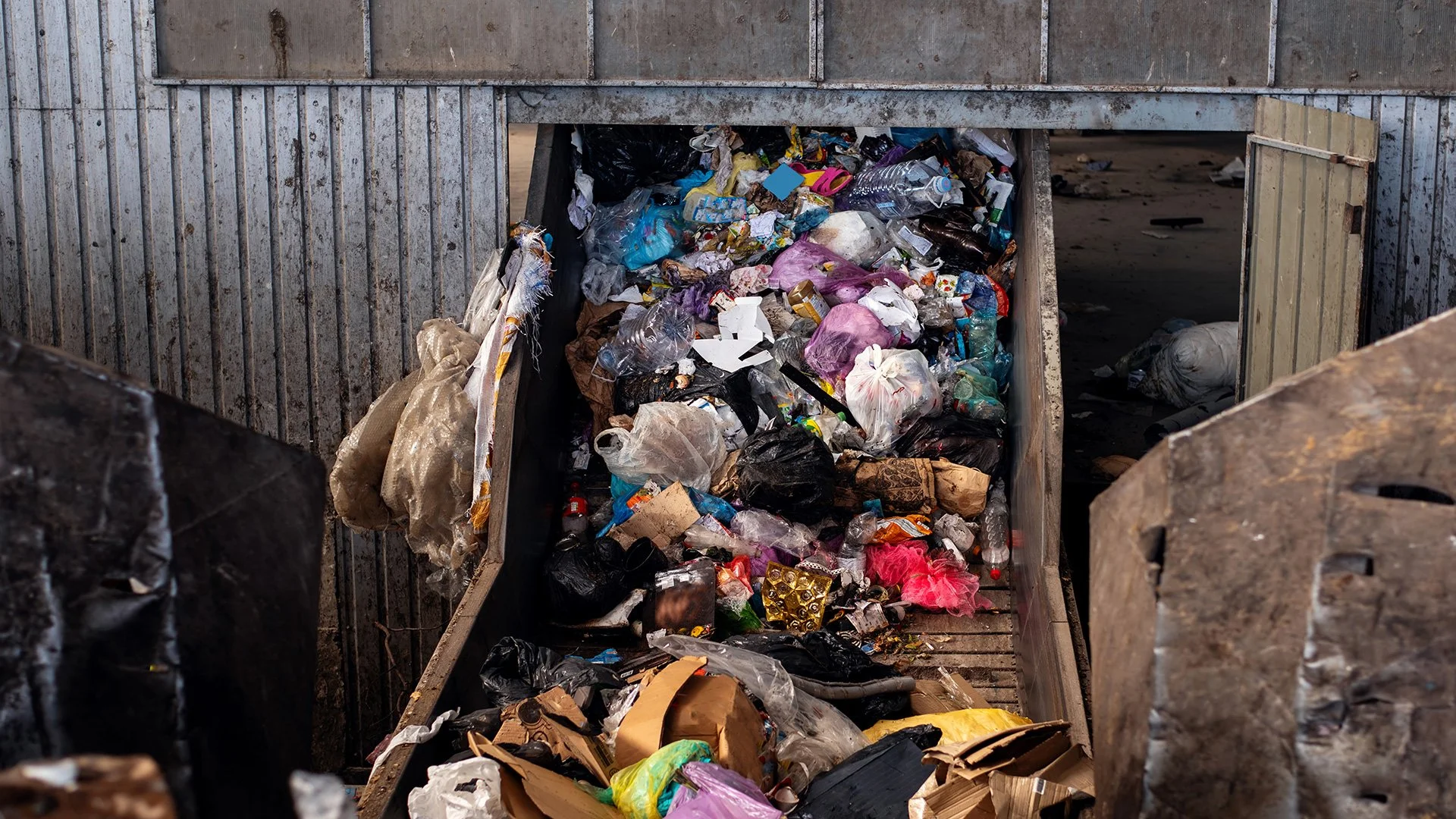
Furniture is the second largest contributor to urban waste on the planet
Eco Passport Impact
Transparency & Responsibility
Our Eco Passports extend beyond mere transparency; they play a crucial role in fostering sustainability and responsible consumption patterns in every product we create. We proudly acknowledge the environmental footprint of our products, from sourcing raw materials to manufacturing processes and distribution.
This heightened awareness not only benefits the environment but also promotes accountability and social responsibility for both us and the customers we serve.
Eco passports are key in facilitating a shift towards a circular economy by incentivizing the reuse, recycling, and responsible disposal of products, ultimately reducing waste and conserving resources for future generations.