

The Hidden Impact of a Noisy Workplace
Noise is present in almost every office. Conversations, phone calls, and movement create a constant stream of stimuli. For many organisations, this feels normal. It is part of an open and active work environment.
Yet this “normal” situation has more impact than most realise.
Noise interrupts concentration, slows down work, and constantly pulls attention. This often happens without being noticed. Employees continue working, but the quality of their focus changes. At the end of the day, work feels more tiring, even if output has not increased.
The real question is not whether noise has an effect, but how much focus is being lost.
Why Noise Disrupts Focus
Every workday requires moments of concentration. In reality, these moments are often interrupted. A nearby conversation, a phone call, or movement in the space triggers the brain to react.
Even when employees try to focus, speech remains difficult to ignore. The brain processes language automatically. As a result, attention shifts without control.
Work becomes fragmented. Tasks are interrupted and restarted. This reduces both speed and quality.
Why Employees Feel More Drained
Noise does more than distract. It consumes energy.
The brain stays alert in a noisy environment. It processes sounds in the background, even when they are not relevant. This increases mental load.
Over time, this leads to fatigue. Employees need more effort to maintain focus. Irritation increases. The sense of control over the workday decreases.
Many describe this as being busy, while in reality, it is a lack of quiet conditions.
Why Open Offices Often Lack Balance
Open offices support collaboration. That is their strength. At the same time, they combine all activities into one shared space.
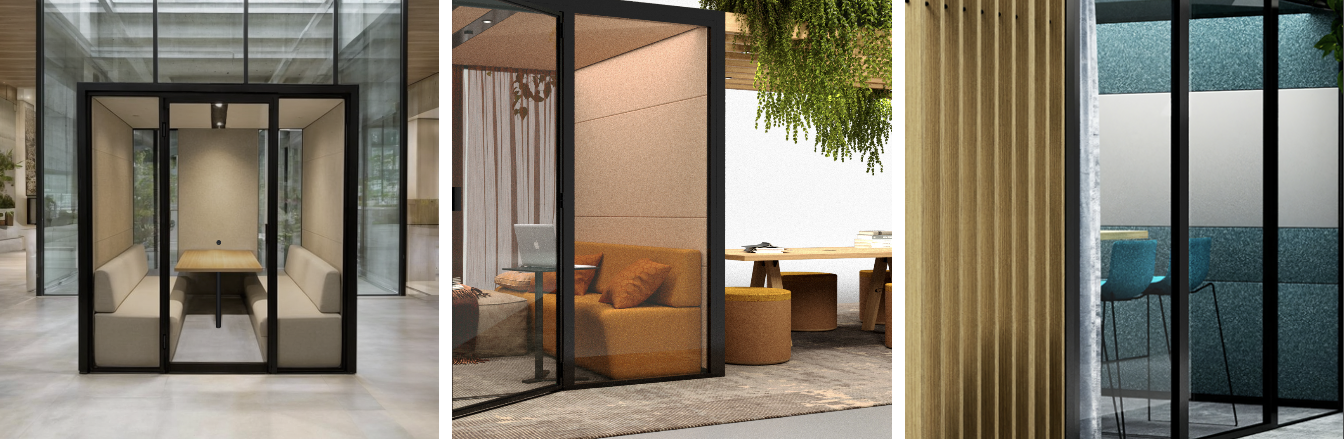
This means focused work happens next to meetings and phone calls. The result is friction. Not because people work incorrectly, but because the environment does not separate different types of work.
The issue is not the open office itself. The issue is the absence of spaces where employees can step away from noise.
What Happens When Quiet Is Missing
When employees cannot step away from noise, they adjust their behaviour. They delay tasks that require focus or try to concentrate in an environment that does not support it.
This leads to more errors, slower progress, and growing frustration. Work feels harder than necessary.
Over time, this affects how employees experience their work. Engagement drops, and the workplace becomes less attractive.
The Role of Quiet Workspaces
Quiet is not a luxury. It is a requirement for effective work.
When employees have access to a quiet space, their way of working changes. They can complete tasks without interruption and feel more in control of their day.
In our experience, the overall dynamic of the workplace shifts when employees have the option to step away from noise. It creates balance without reducing collaboration.
From Open Space to a Balanced Workplace
An effective workplace does not rely on a single type of space. It requires a clear distinction between activities.
Collaboration and focused work need different environments. When both are supported, the workplace functions better.
The addition of dedicated focus spaces often makes the biggest difference. It allows employees to choose the environment that fits their task.
How to Bring Back Quiet to the Workplace
Creating a quieter workplace starts with recognising that not all work fits in the same setting. From there, targeted changes can improve the environment.
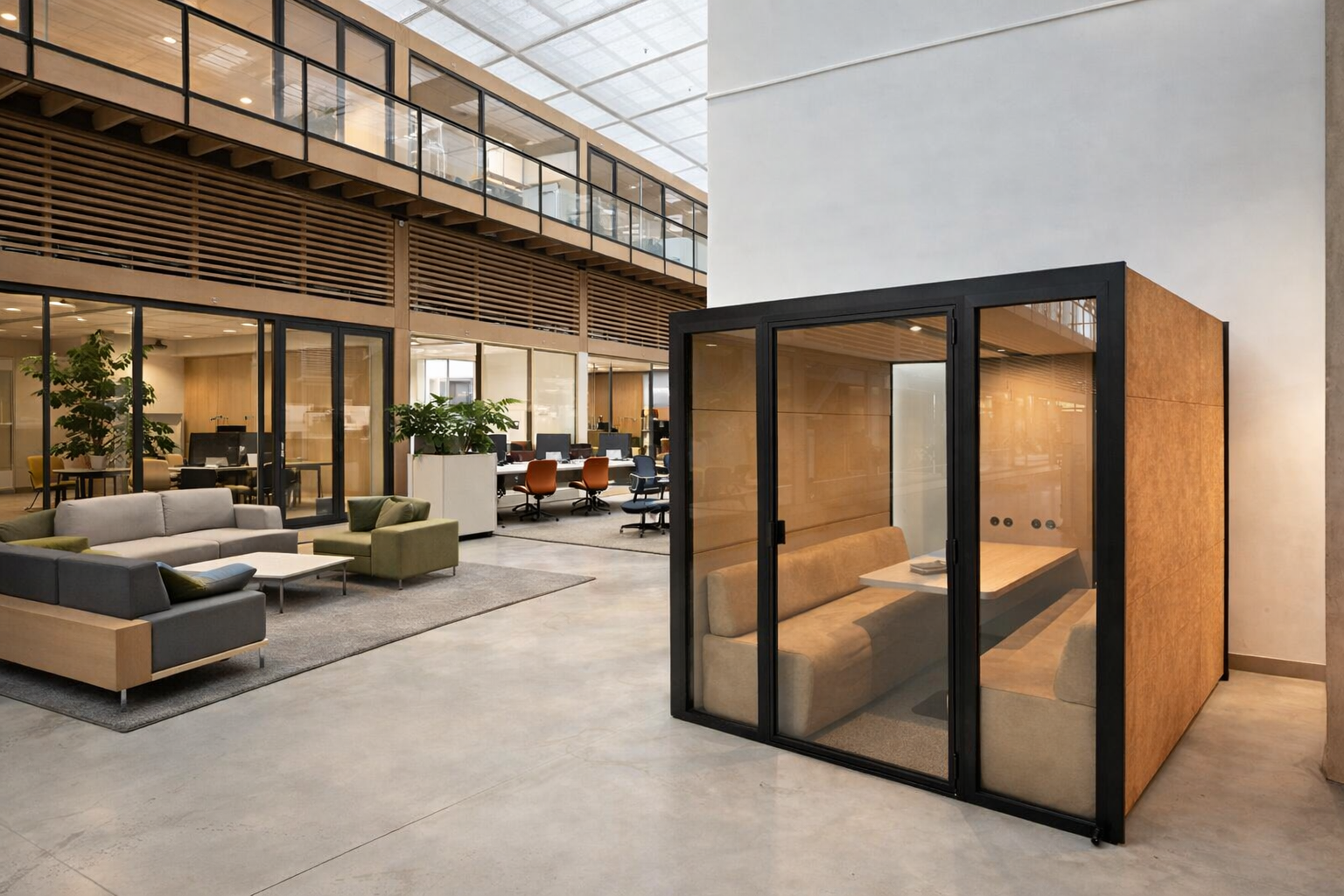
In our experience, it helps to define clear zones and provide spaces where employees can step away when needed. Enclosed workspaces, such as Pods, offer a practical way to create this option. They allow organisations to add quiet areas without major changes to the existing layout.
This creates a workplace that adapts to the work, instead of forcing work to adapt to the space.
Noise often feels like a normal part of office life. In reality, it has a strong impact on how people work, think, and feel.
Many organisations adapt to the level of noise around them. That does not mean it is optimal.
The real question is: How much better would people perform if they had access to the right level of quiet?
